Starting Solids: A Simple Guide to Complementary Feeding
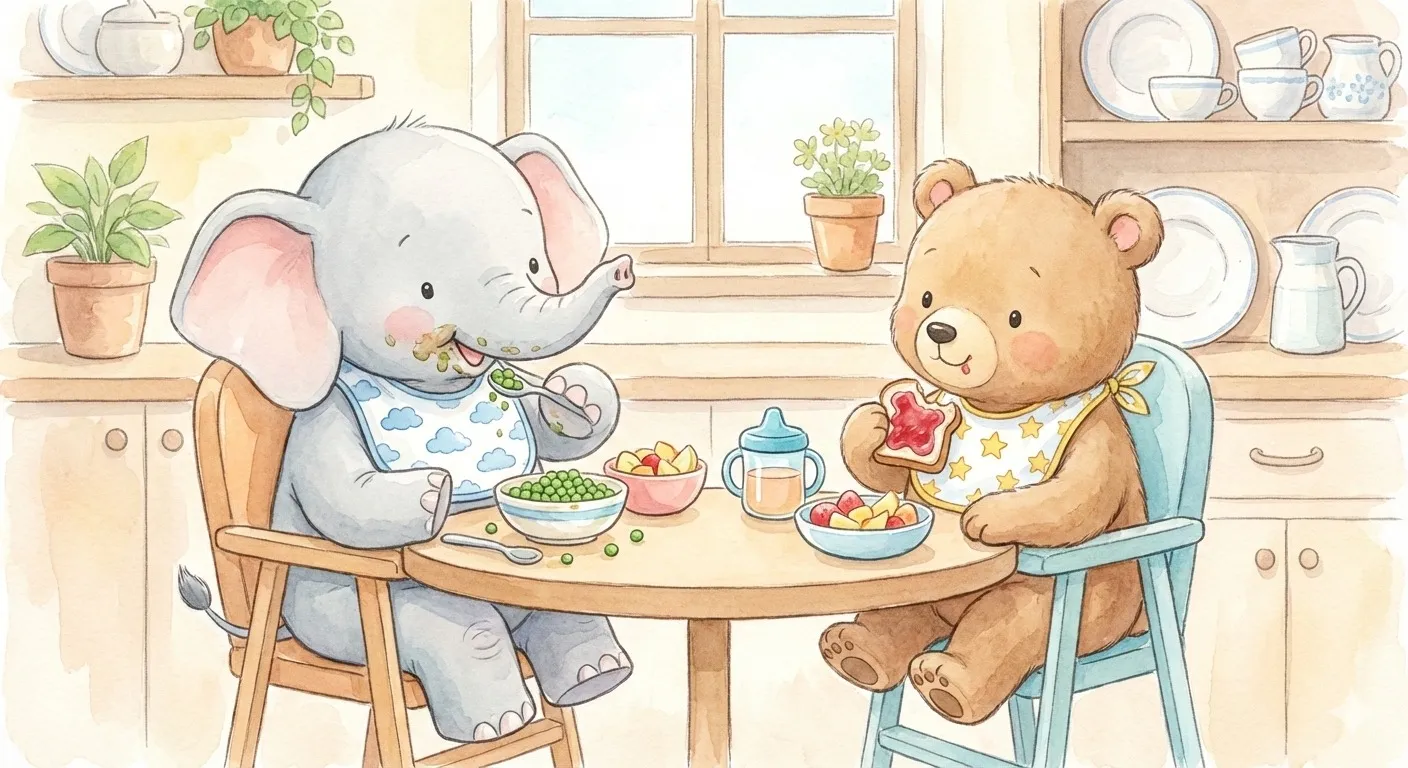
For many parents, starting solids feels like a milestone that comes with equal parts excitement and anxiety.
You find yourself asking: Is my baby ready? Am I starting too early—or too late? How much food is “enough”? Should I be measuring calories, protein, or iron?
Somewhere between the growth charts, Instagram reels, and conflicting advice from relatives, feeding stops feeling intuitive and starts feeling overwhelming.
This article is meant to simplify that moment. Not by adding more rigid rules—but by explaining why we do what we do.
What Is “Complementary Feeding”?
In medical terms, we call starting solids “complementary feeding.” The name is important because it tells you exactly what the food is supposed to do: complement breast milk or formula, not replace it.
For the first year of life, milk remains the primary source of nutrition. Solids are introduced to:
- Top up iron and micronutrient levels
- Develop chewing and swallowing skills
- Expose your baby to new tastes and textures
- Lay the foundation for a healthy relationship with food
Think of it this way: It’s less about “filling the stomach” and more about teaching the body and brain how to eat.
When Should You Start? (The 6-Month Mark)
For most babies, the sweet spot to begin is around 6 months of age. This isn’t just a random number chosen by doctors; it’s based on your baby’s biology.
By 6 months:
- Iron stores dip: The natural iron stores your baby was born with begin to deplete, and they need food to replenish them.
- Physical readiness: Their neck is strong, and their digestive system is mature enough to handle food.
- Development: They are mentally ready to explore the world beyond milk.
Why timing matters: Starting too early (before 4 months) can increase the risk of choking or allergies. Starting too late (well after 6 months) might lead to nutritional gaps or difficulty accepting textures later on.
How Do You Know Your Baby Is Ready?
Age is a guideline, but development is the real sign. Your baby is likely ready when they show these cues:
- Head Control: They can hold their head up steadily without support.
- Sitting Up: They can sit with minimal support.
- Lost the “Push” Reflex: They no longer instinctively push food out of their mouth with their tongue (the tongue-thrust reflex).
- Curiosity: They lean forward or watch intensely when you are eating.
Note: Feeding is a physical skill. If their muscles aren’t ready, feeding becomes stressful for both of you. If you aren’t sure, it’s okay to wait a week and check again.
How to Start: “Slow” Is the Right Speed
The goal of early feeding is learning, not volume.
Treat the first few weeks as practice sessions, not “meals.”
- Start with smooth, soft textures
- Introduce one single-ingredient food at a time
- Offer small amounts (just a spoon or two)
- Keep the environment calm and seated
Babies learn to eat the same way they learn to walk—through repetition, wobbling, and patience.
A Simpler Way to Think About Nutrition: The 1-Tablespoon Method
One of the biggest sources of anxiety I hear in my clinic is: “Is my baby getting enough nutrition?”
To make this easier, Chubby Cheeks uses a simple framework: The 1-Tablespoon Measure.
Why 1 tablespoon? Because it reflects a realistic portion for a tiny tummy. It removes the pressure to count calories or weigh grams. Instead of asking “Is this food good or bad?”, we ask:
“What does 1 tablespoon of this food offer my baby?”
Does it offer calories? Fiber? Iron? A new texture? This approach helps you understand nutrition in context, without the math.
What to Look Out For
As you start, you become an observer of your child. Watch for:
- Gagging vs. Choking: Gagging (loud, red face) is a normal safety reflex as they learn to move food around. Choking (silent, blue face) is an emergency. Knowing the difference is key to your peace of mind.
- Reactions: Watch for rashes, vomiting, or changes in stool.
- Cues: If your baby turns their head away or clamps their mouth shut, respect it.
Most “reactions” are mild and temporary. Observation—not panic—is key.
Coming Up Next
There are so many myths about feeding (“Fruits are too sweet to start with!”, “Rice causes colds!”). Most of these are rooted in fear, not fact.
In the next few posts, we will use our 1-Tablespoon Framework to look at specific starter foods—fruits, vegetables, and traditional Indian options. We’ll cover:
- When to introduce them
- How to prepare them safely
- What nutritional value they actually hold
The goal is simple: To help you feed your child with confidence, clarity, and calm.
Written by Dr. Ishwarya Chandra
A pediatrician passionate about empowering parents with evidence-based guidance for their child's health and development.