Sweet Potato: A Developmental Introduction
In Brief
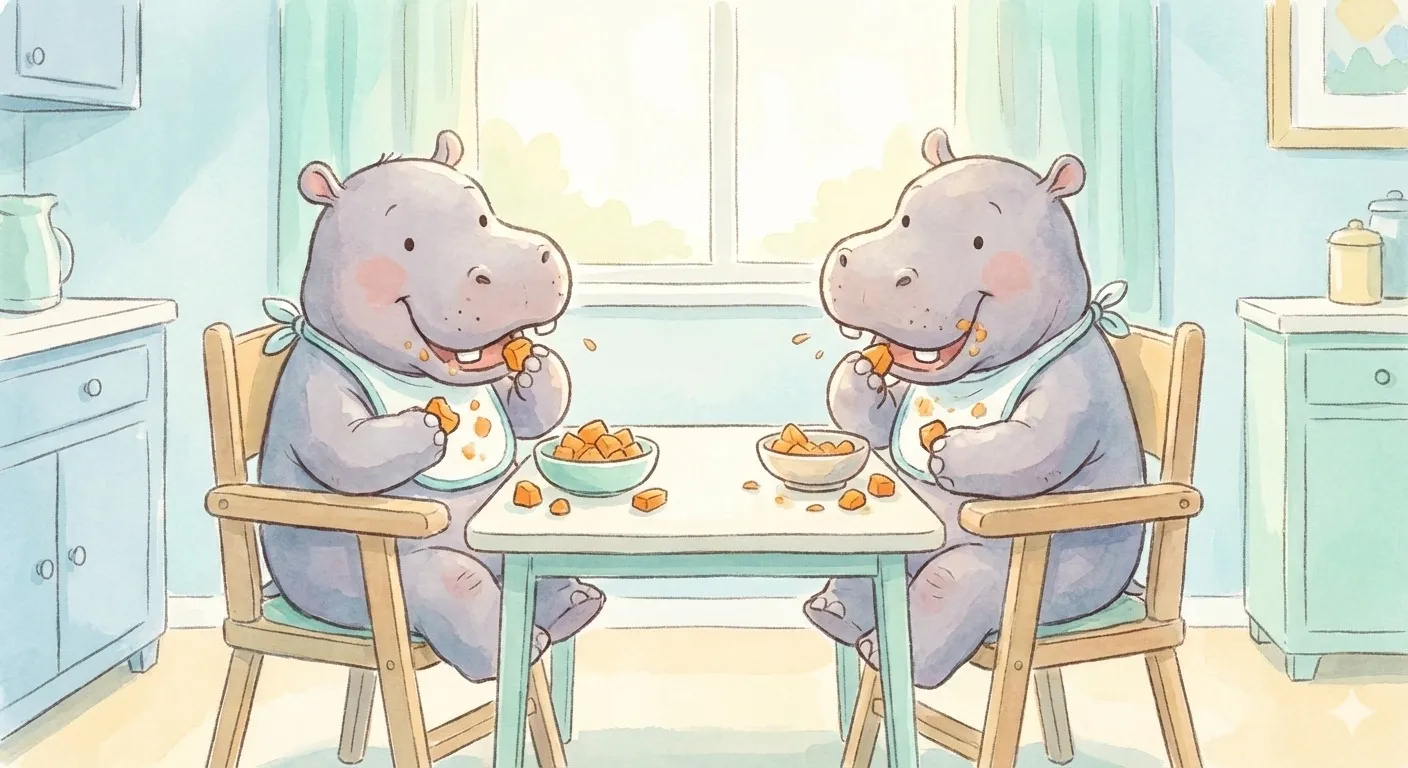
Sweet potato offers fiber, potassium, and natural sweetness. Start around 6 months. Can be offered as soft mashed pieces or finger-length strips for self-feeding.
When to Introduce Sweet Potato
Recommended Age: 6–7 months
Developmental Window: Early Texture Exploration + Fiber Introduction + Natural Sweetness
The Food Biography: Learning Across Weeks
Week 1 with Sweet Potato
What You’ll See:
- Picking up white/cream-colored pieces, examining them
- Gumming and sucking on pieces (softer than many foods—easy to gnaw)
- Gagging as they learn to move food around
- Maybe swallowing small amounts, mostly exploring
This is learning. The mild sweetness is often well-accepted by babies.
Week 3–4 with Sweet Potato
What Changes:
- More confident picking up slippery pieces
- Less gagging as tongue control improves
- Recognition—may reach for sweet potato excitedly
- Actually consuming more (sweet flavor often well-accepted)
- Better at breaking down soft pieces with gums
How to Prepare Sweet Potato
Important: Sweet potato MUST be cooked very soft for babies 6–12 months.
Cooking Methods
Goal: Soft enough to squash easily between your thumb and finger.
Test before serving: Let one piece cool, then press between thumb and finger. Should squash with no effort.
Two Ways to Offer Sweet Potato
At 6 months, choose based on what works for your family:
Option 1: Mashed with Soft Lumps
Preparation:
- Cook sweet potato until very soft
- Peel (skin can be fibrous)
- Mash with a fork—leave small, soft lumps (not smooth puree)
- Texture should be like chunky mashed potato
How to serve:
- Offer on a spoon OR
- Place dollop on tray and let baby self-feed with hands
- Baby may grab the spoon—encourage this
Why lumps matter: Smooth purees don’t teach chewing. Soft lumps encourage tongue movement and oral motor skills.
Option 2: Soft Finger Strips
How to Cut: Cut into finger-length strips (about the size of your adult finger).
Why this shape? Babies at 6 months use a fist-grasp. Long strips let them hold one end while gnawing the other.
Tip: Sweet potato can be slippery when very soft. You can:
- Roll pieces lightly in infant cereal for better grip, OR
- Leave a small strip of the pink/purple skin on one end as a “handle” (ensure it’s cooked very soft)
How to serve:
- Place 1–2 pieces directly on tray
- Let baby pick them up themselves
- Never put food directly in baby’s mouth
How Much to Offer: The 1-Tablespoon Framework
Starting amount: 1–2 pieces (finger strips) OR 1 tablespoon (mashed)
Why This Is Enough
At 6–7 months:
- Milk provides 400–700 calories daily (90%+ of nutrition)
- Solids provide 20–50 calories daily (learning phase)
- Sweet potato’s job: vitamin C introduction, fiber, flavor exposure, energy
1 tablespoon is enough to learn. More is fine if baby signals interest.
Progression Over Weeks
After 2–4 weeks, if baby consistently shows interest and handles 1–2 pieces well, you can offer 3–4 pieces (about 2 tablespoons). Let baby lead this increase.
Some days they eat more, some days less. Both are normal.
1-Tablespoon Nutrition Snapshot
Sweet Potato (1 tablespoon / ~15g cooked, white/cream flesh variety common in India)
Note on Variety: Orange-fleshed sweet potatoes (common in Western countries) are higher in beta-carotene/vitamin A. The white/cream-fleshed variety common in India is lower in vitamin A but still provides fiber, potassium, vitamin C, and gentle energy.
In context: Baby gets 400–600 calories daily from milk. Sweet potato’s primary role is fiber, potassium, and easy-to-digest energy, plus gentle introduction to root vegetables.
Same Food, Three Ages: Sweet Potato Texture Progression
Note: Sweet potato remains a soft, safe food throughout the first year. Adjust size and firmness as baby’s skills progress.
What to Watch For
Normal Responses
✅ Gagging: Frequent in first 2 weeks, decreases with practice
✅ Messy eating: Food everywhere is sensory learning
✅ Variable appetite: Some days loves it, some days refuses—both normal
Temporary Stool Changes
Normal:
- Stools may remain similar color or become slightly lighter
- Slightly softer stools initially (sweet potato has fiber)
- Small pieces of sweet potato visible in diaper
If diarrhea persists beyond 2–3 days, pause sweet potato and try again in a week.
Allergy Signs (Very Rare)
Sweet potato allergy is uncommon but possible.
Immediate reactions (within 3 hours):
- Hives or rash around mouth/body → Pause, consult pediatrician
- Swelling of lips/tongue/face → Stop, call pediatrician
- Vomiting within 2 hours → Pause, consult pediatrician
- Wheezing or difficulty breathing → EMERGENCY: Call emergency services
Delayed reactions (within 24 hours):
- Worsening eczema → Pause, consult
- Persistent diarrhea → Pause, consult
- Blood in stool → Call pediatrician
The 3-Hour Rule: Reaction within 3 hours = likely food-related. Reaction 6+ hours later = probably coincidental.
Where Sweet Potato Fits in the Bigger Journey
Pairs Well With
- Rice cereal (can mix mashed sweet potato into cereal for added nutrition)
- Apple (both naturally sweet, complementary flavors)
- Lentils/dal (sweet potato balances savory dal well)
Progresses To
- Carrot (similar texture, different flavor)
- Pumpkin (another orange vegetable, seasonal)
- Regular potato (less sweet, denser texture)
New to complementary feeding? Read our foundational article first: Starting Solids: A Simple Guide to Complementary Feeding
Ready to introduce sweet potato? Start with 1–2 pieces. Cook very soft. Watch. Trust your baby’s cues.
The journey begins with one tablespoon.
Written by Dr. Ishwarya Chandra
A pediatrician passionate about empowering parents with evidence-based guidance for their child's health and development.